
With ongoing headlines surrounding mandatory Colorado River water reductions and the Central Arizona Project (CAP) absorbing major cuts across the state, water security is at the front of every homeowner’s mind. In the Phoenix valley, discussions about water allocation, tiered reductions, and utility rate structures naturally raise honest questions:
Is building a backyard pond, fish sanctuary, or pondless waterfall irresponsible in the middle of a desert water crisis?
It is an understandable reaction. When people hear “water feature”, they often picture obsolete municipal fountains shooting trails of water into the wind or expansive chlorinated swimming pools losing tens of thousands of gallons to chemical drainage.
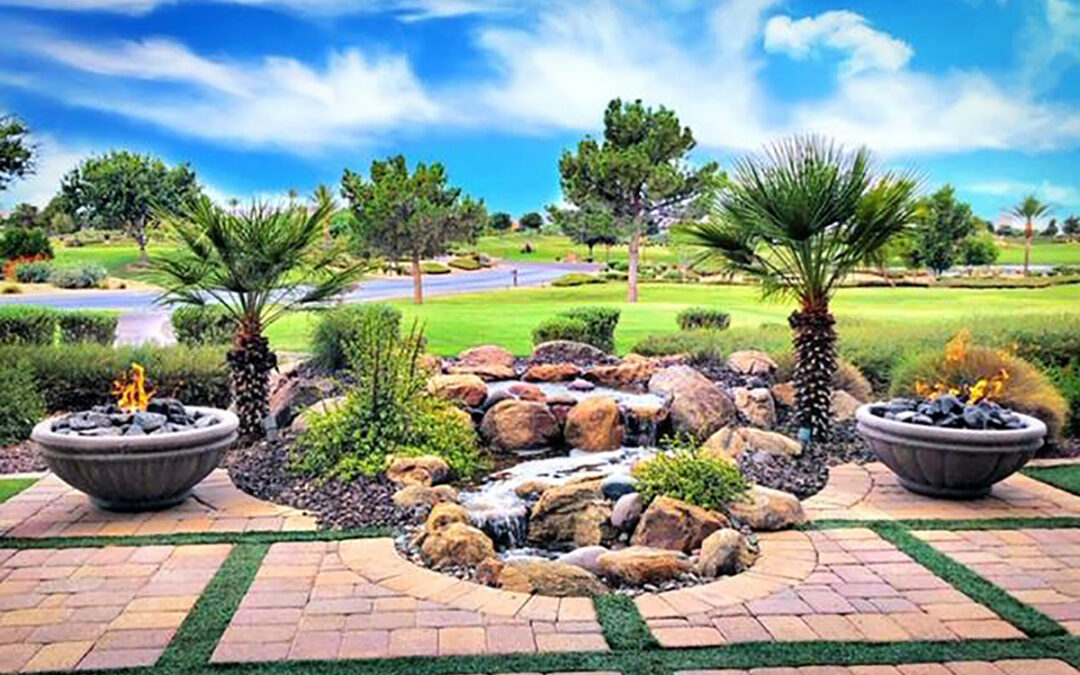
At PondscapesAZ, we believe in facing water conservation head-on with facts, science, and perspective. When built to certified ecosystem standards, recirculating water features are not wasteful luxuries. In fact, replacing high-thirst turf with an ecosystem pond or pondless waterfall installation conserves water, provides a critical lifeline for native desert wildlife, and creates an essential sanctuary for your mental well-being.
The Reality Check: Ponds vs. Traditional Landscaping
The most common concern homeowners voice during drought negotiations is the perceived cost and volume of water required to sustain a feature. However, looking at the actual water consumption data reveals a stark contrast to public perception.
| Landscape Element (1,000 Sq. Ft. Equiv.) | Typical Annual Water Usage (Gallons) | Chemical Additives Required | Direct Native Wildlife Value |
|---|---|---|---|
| Traditional Hybrid Bermuda Lawn | 35,000 to 50,000+ Gal/Year | High (Fertilizers, weed killers) | Low / Monoculture |
| Chlorinated In-Ground Swimming Pool | 20,000 to 30,000+ Gal/Year (Evaporation + Backwash) | High (Chlorine, acid, stabilizers) |
Negative (Toxic to wildlife) |
| Closed Ecosystem Pond (with 60% Lily Cover) | 8,000 to 12,000 Gal/Year (Evaporation Only) | Zero (100% Biological) |
Vital Habitat Anchor |
| Aquascape Pondless Waterfall | 4,000 to 7,000 Gal/Year (Minimal Surface Loss) | Zero (100% Biological) |
Safe Drinking / Bathing Station |
Debunking the Myth: Why a Pond Uses Less Water Than a Lawn
The greatest misconception about ecosystem water features is that they consume vast amounts of fresh water continuously. In reality:
Ponds Are Recirculating Systems
Unlike a lawn sprinkler system that dumps dozens of gallons per minute into the ground (much of which evaporates before reaching root zones), an ecosystem pond or waterfall recycles the exact same water 24 hours a day, 7 days a week.
The “One-Time Fill” Advantage
Once an Aquascape feature is filled, municipal tap water is only needed to offset natural surface evaporation. There is never a seasonal drain-and-refill cycle like traditional swimming pools.
Shade Reduces Evaporation
Mature water lily pads and floating aquatic plants cover 60% to 70% of the pond’s surface, shielding the water from direct sun and wind. This living canopy slashes daily evaporation rates well below those of an open, unshaded pool.
Tearing Out Turf Saves Thousands of Gallons
Converting a 1,000-square-foot patch of grass into a natural stone pond and native desert xeriscape typically saves the average Phoenix homeowner between 20,000 and 35,000 gallons of water every single year.
From a purely operational cost standpoint, the small amount of water needed to top off an ecosystem feature amounts to just a few dollars on a monthly municipal utility bill, a fraction of the cost required to water non-native grass throughout a scorching summer.
A Critical Lifeline for Sonoran Desert Wildlife
As federal water cuts take effect and desert riparian corridors continue to recede, wildlife in the Phoenix metropolitan area faces unprecedented pressure. Urban expansion has replaced natural desert washes with asphalt and concrete. For local fauna, surviving the arid extremes of late summer and early autumn is a daily battle.
A chlorinated swimming pool is often a death trap for wildlife; birds and mammals attracted by the smell of water ingest toxic chemicals or fall in and struggle against vertical plaster walls. A custom ecosystem feature acts as the exact opposite: an authentic, chemical-free sanctuary built on nature’s blueprint.
- Safe, Gradual Beach Entries: Aquascape ponds and pondless streams are constructed with gently sloping gravel margins and shallow rock shelves. This allows Gambel’s quail, mourning doves, and migratory songbirds to drink and bathe safely without risking drowning.
- Vital Pollinator Support: The shallow, wet gravel edges of a stream provide safe perches for native bees, monarchs, swallowtail butterflies, and dragonflies. Dragonflies, in turn, act as nature’s most effective mosquito predators, hunting unwanted pests right out of your yard.
- Supporting the Pacific Flyway: Phoenix sits directly beneath a critical migratory bird corridor. During the autumn migration in September and October, migrating warblers, tanagers, and hummingbirds seek out moving, oxygenated water sources to refuel during their cross-continental journeys.
By adding a living water feature, you are not merely decorating your backyard; you are creating a private, chemical-free wildlife refuge that restores a small piece of the Sonoran ecosystem.
The Mental Health Remedy: Restoring Peace in High-Stress Times
Water scarcity, urban density, and the fast-paced nature of modern life take a measurable toll on our mental well-being. Studies in environmental psychology have consistently shown that humans possess an innate affinity for living water, a concept known as biophilia.
Living through long stretches of extreme heat often isolates Arizona residents indoors for months. When autumn arrives, having a “Sacred Space” right outside your back door offers genuine psychological restoration:

Acoustic Decompression
The natural white noise produced by water tumbling over hand-placed granite boulders lowers resting heart rates and reduces cortisol (stress hormone) levels. It forms a sound barrier that replaces the hum of highway traffic, barking dogs, and neighborhood air conditioning units with the restorative sounds of nature.
Visual Symmetry and Rest
Watching Koi glide smoothly through clear water prompts alpha brainwave activity, inducing a state of calm focus similar to meditation. It draws you outside, away from glowing phone and computer screens, into the real world.

Reconnection with Living Cycles
Maintaining an ecosystem pond connects you to the natural rhythms of life, from watching water lilies bloom to observing dragonfly nymph transformations and seasonal bird visits. It turns your backyard into a restorative sanctuary where you can recharge after a demanding workday.
Responsible Stewardship: The Future of Arizona Water Features
Living in Arizona requires respect for our natural resources. Embracing the “Pond Life” does not conflict with responsible water stewardship; it represents a more conscious, natural, and ecological way to enjoy outdoor living.
By swapping high-water, high-chemical lawns for self-sustaining, closed-loop living water features, we conserve municipal water supplies, support native desert species, and protect our own mental health.

Build an Eco-Friendly Oasis in Your Backyard
If you are ready to replace thirsty turf with a sustainable, biological water feature that supports native wildlife and brings lasting peace of mind to your daily routine, our team is here to help. Discover how a custom ecosystem pond or pondless waterfall can transform your outdoor living responsibly
Call PondscapesAZ today to schedule a design consultation!
 480-987-7781
Owner, Lead Designer
Ralph Biezad is the owner and lead designer of Pondscapes, a premier pond and water-feature design-build company based in Gilbert, Arizona. With more than 20+ years of experience, Ralph has created hundreds of custom ponds, waterfalls, and aquatic landscapes throughout the Southwest. His philosophy centers on designing natural-looking, low-maintenance environments that blend seamlessly with Arizona’s climate and terrain.
As a Certified Aquascape Contractor, Ralph is recognized nationwide for his craftsmanship, creativity, and commitment to eco-balanced water features. His designs emphasize sustainability, habitat creation, and bringing clients closer to nature through water.

Recent Comments