
For anyone living in the Phoenix, Scottsdale, or Mesa areas, the arrival of July means keeping a constant, watchful eye on the afternoon sky. The Arizona monsoon season is legendary for its raw power and sudden atmospheric shifts. In the valley, a calm summer day can transform in minutes as a massive, miles-wide wall of dense desert dust, known as a haboob, rolls through your neighborhood. These storms bring an intense combination of high-velocity winds, localized microbursts, and thick, billowing clouds of fine dirt that completely blanket everything in their path.
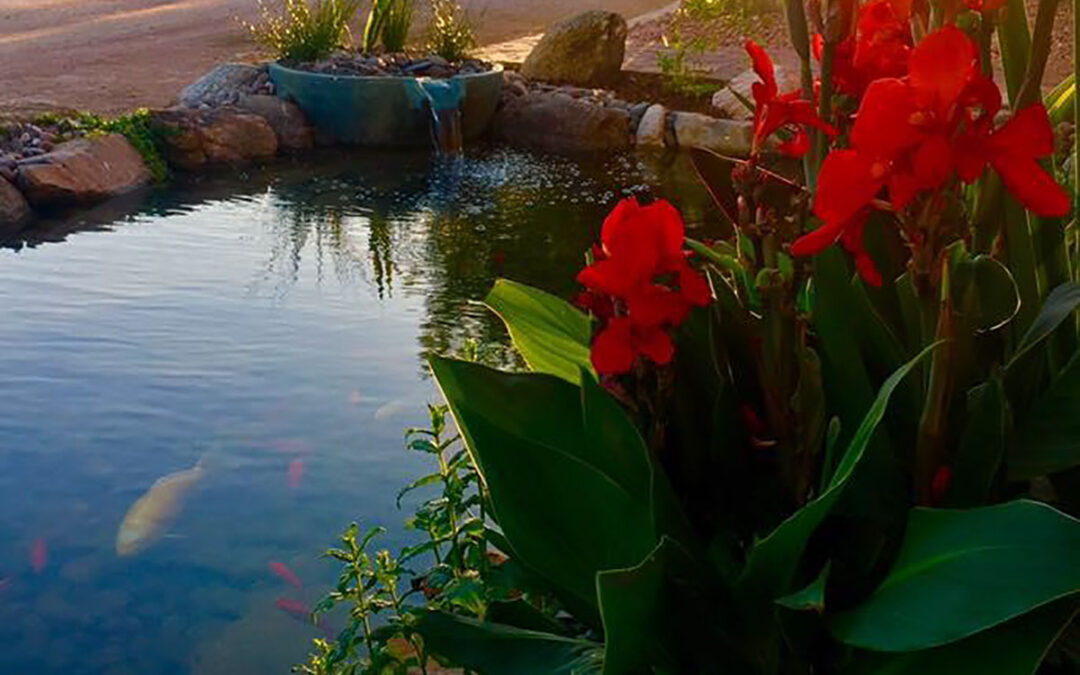
When the dust finally settles and you head out to your backyard sanctuary to check on your oasis, it is entirely normal to feel a sense of dread. Your beautiful, crystal-clear water feature now looks like a thick, brown bowl of chocolate milk. The rocks are coated in silt, the waterfalls are splashing muddy foam, and your Koi are completely hidden from view.
As your local Scottsdale fish pond contractor, we want to reassure you that while a severe dust storm looks like a total ecological disaster, your ecosystem pond is built to withstand exactly this type of stress. You do not need to panic, and you absolutely do not need to drain your pond water.
By taking a proactive approach and following this detailed, three-step post-storm action plan, you can easily jumpstart your biological filtration and restore your paradise back to flawless clarity.
The 3-Step Restoration Plan
| Step | Action Item | Primary Purpose |
|---|---|---|
| 1 | The Skimmer Sweep | Clear mechanical blockages to protect the pump motor. |
| 2 | Biological Super-Dose | Introduce live microbes to digest sudden organic waste. |
| 3 | BioFalls Mat Rinse | Clean the primary biological filter using pond water. |

Step 1: The Skimmer Sweep
Your Aquascape mechanical skimmer is your water feature’s absolute first line of defense, and after a major haboob, it bears the brunt of the storm’s fury. High monsoon winds blow incredible amounts of organic matter, leaves, twigs, and heavy dust directly across your yard. Your skimmer continuously draws in the surface water, trapping this debris before it can sink to the bottom of your pond and rot.
- Go out to your feature as soon as the storm passes and empty the skimmer basket immediately. You will likely find it packed to the brim with thick, muddy debris.
- Once the basket is empty, pull out the dense mechanical filter mat located underneath. This mat will likely be heavily choked with fine desert silt. Rinse it thoroughly using a standard garden hose until the water runs clear through the fibers.
Why This Matters
A heavily clogged filter mat completely starves your water pump of oxygenated water. If left untreated, the pump will begin to suck air, causing the motor to rapidly overheat, run dry, and potentially burn out entirely, leading to an expensive and easily preventable replacement.

Step 2: Add a Biological Super-Dose
The dark, brown tint currently clouding your pond is caused by millions of microscopic suspended soil particles and airborne organic pollutants. This sudden, massive influx of organic waste is a ticking clock for your ecosystem. As the dirt begins to interact with the warm water, it can trigger a severe ammonia spike that threatens the health of your fish and creates a superfood environment for aggressive string algae blooms.
Instead of turning to harsh, quick-fix chemical clarifiers that can alter your water chemistry, you should always treat the problem biologically.
Add a heavy, double dose of Aquascape Beneficial Bacteria or Clean for Ponds directly into the pooling water of your BioFalls filter. This introduces billions of hungry, live microbes into the system. These specialized bacteria will immediately go to work consuming the organic dust particles, locking up excess nutrients, and neutralizing the ammonia before it can stress your aquatic family.
Step 3: Check and Clean the BioFalls
After your pump has run continuously for 24 to 48 hours following the storm, you will notice the water column beginning to clear up significantly. This means your mechanical system is working perfectly, pushing the fine suspended dust particles out of the main basin and up into your waterfall filter.
Check the filter mats and biological media nets located inside your BioFalls unit. If they are heavily coated in a layer of fine, slimy silt, they need a gentle cleaning to keep breathing properly.
The Golden Rule
Never spray your BioFalls mats with a high-pressure garden hose or chlorinated tap water. Chlorine kills off the mature, beneficial biological colonies that keep your pond clean.
The Proper Method
Fill a large bucket with water taken directly from your pond. Submerge the BioFalls mats into the bucket and gently shake them to dislodge the heavy mud. This preserves the living biological film while restoring full water flow through the waterfall.

Let Us Handle the Post-Storm Cleanup
If a recent summer monsoon has left your backyard paradise looking weathered, muddied, or completely out of balance, you don’t have to tackle the mess alone. The professional maintenance team at PondscapesAZ is always ready to step in and do the dirty work for you. From high-capacity filter flushes and full water quality diagnostics to equipment safety checks, we will bring your sacred space back to life while you stay cool inside the air conditioning.
Contact PondscapesAZ today to schedule your professional post-storm service call and get your backyard oasis looking flawless again!
 480-987-7781
Owner, Lead Designer
Ralph Biezad is the owner and lead designer of Pondscapes, a premier pond and water-feature design-build company based in Gilbert, Arizona. With more than 20+ years of experience, Ralph has created hundreds of custom ponds, waterfalls, and aquatic landscapes throughout the Southwest. His philosophy centers on designing natural-looking, low-maintenance environments that blend seamlessly with Arizona’s climate and terrain.
As a Certified Aquascape Contractor, Ralph is recognized nationwide for his craftsmanship, creativity, and commitment to eco-balanced water features. His designs emphasize sustainability, habitat creation, and bringing clients closer to nature through water.

Recent Comments